The History of Hass Avocado Seedlings: From One Tree to Farms Across Kenya
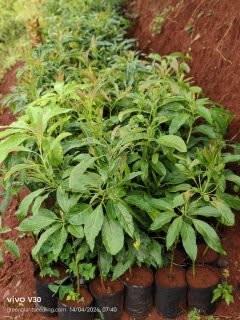
The Hass avocado is one of the world's most popular fruit varieties. Today, millions of farmers grow Hass avocado trees for local consumption and export, but its story began with a single tree in California nearly a century ago.
Understanding the history of Hass avocado seedlings helps farmers appreciate why this variety has become the preferred choice for commercial orchards in Kenya and around the world.
The Discovery of the Hass Avocado
In the 1920s, an American mail carrier named Rudolph Hass purchased several avocado seedlings to establish a small orchard in La Habra Heights.
One seedling looked different from the others. Instead of removing it, Hass allowed it to mature. When the tree began producing fruit, his family noticed that the avocados had rich, creamy flesh and an excellent flavor.
Friends and neighbors also loved the fruit, and demand quickly grew.
The Birth of the Hass Variety
Recognizing the value of this unique tree, Rudolph Hass patented the variety in 1935. It became the first patented avocado tree in history.
Unlike many other avocado varieties, the Hass avocado developed a rough, pebbly skin that turned dark purple to almost black when ripe. The fruit also had a longer shelf life, making it easier to transport to markets.
These qualities helped make Hass avocados popular with farmers, traders, supermarkets, and consumers.
How Hass Avocado Reached Kenya
As global demand for Hass avocados increased, the variety spread to many countries with suitable climates.
Kenya's highland regions provide excellent conditions for growing Hass avocados. Counties such as Murang'a, Kiambu, Nyeri, Embu, Kirinyaga, Meru, and parts of Nakuru have become important avocado-producing areas.
Today, Kenyan farmers grow grafted Hass avocado seedlings because they produce consistent, high-quality fruit and are well suited for commercial production.
Why Farmers Prefer Grafted Hass Seedlings
Modern Hass avocado trees are propagated through grafting rather than planting seeds.
Grafted seedlings offer several advantages:
They begin producing fruit earlier than seed-grown trees.
They produce fruit that is true to the Hass variety.
They provide more uniform growth and yields.
They are preferred for commercial orchards and export markets.
Choosing healthy, certified grafted seedlings is one of the most important decisions a farmer can make when establishing an orchard.
The Growing Importance of Hass Avocado in Kenya
Over the past two decades, Hass avocado farming has become an important source of income for many Kenyan farmers.
The increasing demand for fresh avocados in international markets has encouraged more growers to invest in quality seedlings and good orchard management practices.
With proper care, a well-managed Hass avocado orchard can remain productive for many years.
Looking Ahead
The journey of the Hass avocado—from a single tree in California to thousands of orchards across Kenya—is a remarkable example of how one discovery transformed fruit farming worldwide.
For Kenyan farmers, investing in healthy grafted Hass avocado seedlings is not just about planting trees. It is about building a long-term source of food, income, and environmental sustainability.
Conclusion
The history of the Hass avocado reminds us that great agricultural success often begins with a single healthy tree. Today, farmers across Kenya continue that story by planting quality grafted Hass avocado seedlings and managing them carefully for future generations.
At GreenPlantSeedlings, our mission is to help farmers make informed decisions through practical, reliable information on planting, caring for, and managing fruit trees.